

What is dubbing?
In short: Dubbing is the replacement of the original voices in a film, series or game with recordings by actors in another language, synchronized to the characters’ lip movements. Unlike a lector, the original is not heard at all — the viewer feels as though the characters spoke their language from the start.
When you watch a foreign animation in which the characters speak without a trace of a foreign accent, you are hearing the result of dubbing. It is one of three basic language-localization techniques — alongside the lector and voice over — and the one most often confused with the others. The differences between them affect not only how the material is received, but also the budget and the timeline, so they are worth understanding well.
Dubbing — definition
Dubbing is the process of replacing the original dialogue track with new voice recordings in the target language, precisely synchronized to the lip movements and performance of the actors on screen. The goal is to create the illusion that the character has been speaking that language all along. Dubbing covers the adaptation of the text, the casting of voices, the directed recording, and the editing and synchronization of the dialogue to the image.
In full dubbing, each character is voiced by a separate voice actor, and the lines are matched so that they fit the length of the utterance and the shape of the mouth (lip-sync). This distinguishes it from cheaper and faster techniques that need only one or a few voices without strict synchronization.
Dubbing vs lector vs voice over — the differences
This is the most important part, because this is where confusion is easiest. All three techniques serve to make material available in another language, but they do it in completely different ways.
- Dubbing — completely replaces the original voices. Each character has a separate voice, and the lines are synchronized to the lips. The original is not heard. The most costly and labor-intensive, but also the most immersive.
- Lector — a single voice reads the translation over a lowered but still audible original track. The viewer hears the real voices of the actors underneath, while the lector simply guides them through the content. Particularly characteristic of Polish television. We write more in the article how to record a lector .
- Voice over — a voice recording laid over the image, where the speaker need not be visible or synchronized to the lips: narration, commentary, an advertising voice, a training piece or a game. A lector is one type of voice over.
Put simply: dubbing pretends that the character speaks your language, a lector translates what you hear, and voice over narrates over the image. The choice between them depends on the type of production, the audience and the budget.
Where dubbing is used
Dubbing works wherever full immersion and a natural reception in the target language matter:
- Film and series — full narrative dubbing, especially in family productions and on streaming platforms.
- Animation — the most natural environment for dubbing, because the characters are voiced from scratch anyway.
- Video games — localization of dialogue and character lines, often with hundreds of lines per character.
- Advertising — language versions of spots in which a brand wants to sound local across many markets.
- Corporate and e-learning materials — training and instructional films distributed globally.
How dubbing is made
Dubbing is a process made up of several stages, in which technique meets acting direction:
- Adaptation and translation — the text is not translated literally but adapted so that it fits the length of the lines and the shape of the characters’ mouths. This is the key stage that determines how natural it sounds.
- Voice casting — we choose actors whose timbre and delivery match the original characters.
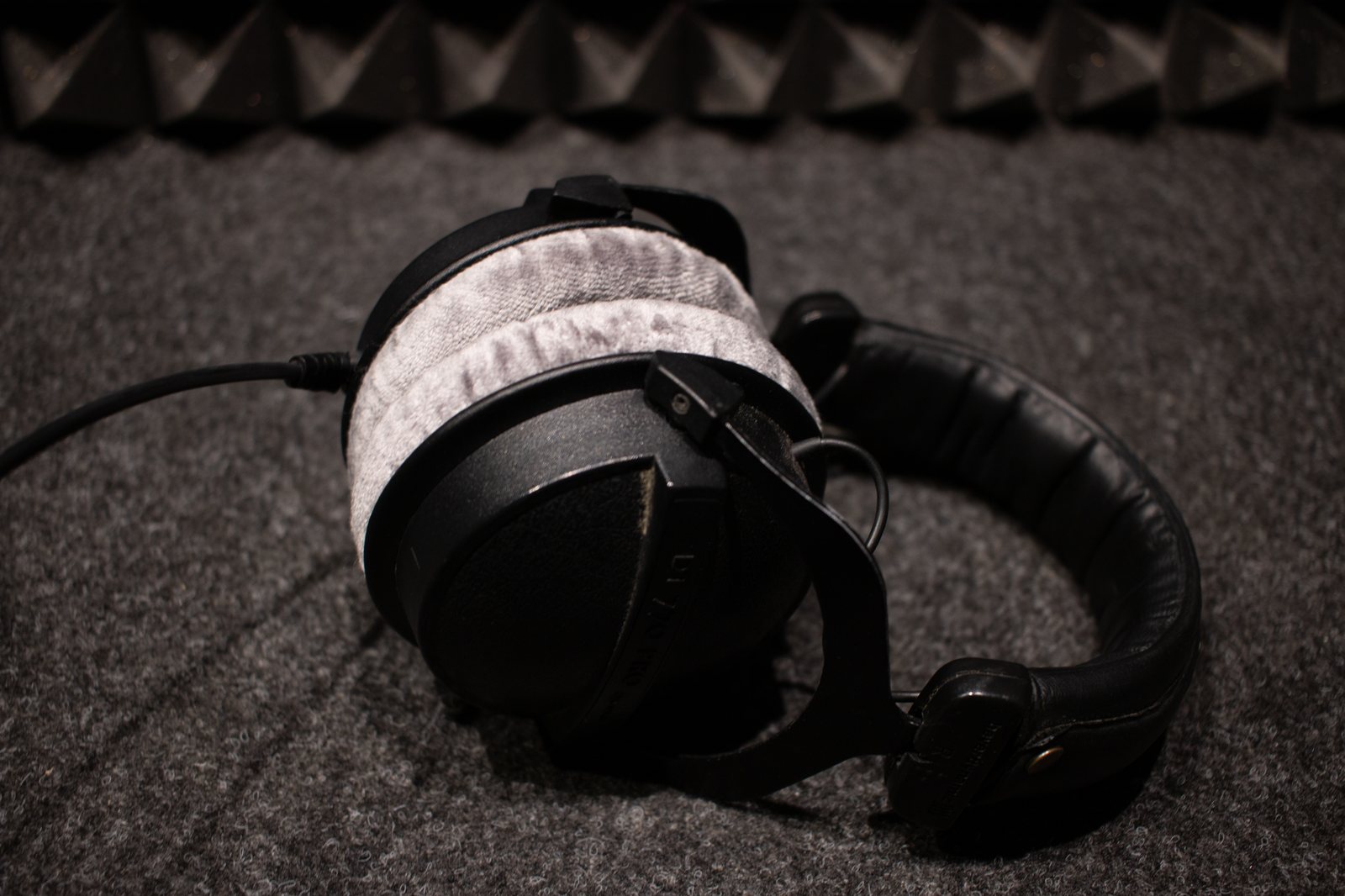
- Directed recording — the actors record their lines in the voice booth , watching the picture and hearing the original in their headphones. The director looks after interpretation and timing.
- Synchronization and dialogue editing — we precisely match the recorded lines to the image and lip movements, cleaning up breaths and transitions.
- Mix — we combine the new dialogue with the music and effects stems (M&E) into a coherent, broadcast-ready whole.
Technically, dubbing uses the same synchronization as ADR and post-sync , the difference being that it serves translation into another language rather than fixing the sound in the original.
Where the first pass of the dialogue track comes out of a model, every one of those stages — adaptation, sync, dialogue editing and the mix — still has to be done; that is what AI dubbing means.
What the studio offers
At All In Sound we record voice and produce language versions in an acoustically controlled voice booth, on a Neumann TLM 102 microphone, and edit and mix everything in Pro Tools Ultimate. We record in Polish, English, French and Spanish (PL/EN/FR/ES). Dialogue editing, ADR and post-sync are handled by Olga, who worked as a dialogue and ADR editor on the productions Lupin, Infiniti and 80 Days.
Our services include:
- Voice recording — lector, voice over and dubbing lines. See the voice recording service.
- ADR and post-sync — re-recording dialogue and synchronizing it to the image.
- Dialogue editing — cleaning, matching and synchronizing lines into a finished track.
Summary
Dubbing is the most immersive of the language-localization techniques — it completely replaces the original voices with recordings synchronized to the characters’ lips. It differs from a lector, which only reads a translation over the original, and from voice over, which narrates over the image. Choosing the right technique depends on the type of production and the budget.
Planning dubbing, a lector or voice over for your project? Explore our voice recording service, see the full sound post-production offer or get in touch — we prepare a quote once you send us the material.
Frequently asked questions
How does dubbing differ from a lector (voiceover translation)?
Dubbing completely replaces the original voices with recordings by actors in another language, synchronized to the characters’ lip movements — the original is not heard. A lector is a single voice read over a lowered original track that can still be heard underneath. Dubbing creates the illusion that the character speaks your language; a lector only translates what is happening.
What is voice over?
Voice over is a voice recording laid over an image where the speaker is not visible on screen or whose lips do not need to be synchronized — narration, commentary, an advertising voice, a training film or a game. A film lector is one type of voice over. Unlike dubbing, voice over does not pretend that a character speaks the given language.
How much does dubbing cost?
The price depends on the length of the material, the number of characters and voices, the degree of synchronization and the languages involved. A short animated advert is priced differently from a full series with many characters. We provide an exact quote after you send us the material and we view it.
In which languages do you provide dubbing?
We record voice and dubbing in Polish, English, French and Spanish (PL/EN/FR/ES). We cast the voices and direct the session so that they sound natural in the target language.
What are ADR and post-sync?
ADR (Automated Dialogue Replacement), or post-sync, is the re-recording of an actor’s lines in the studio and synchronizing them to the image — usually in the production’s original language, when the on-set sound is unusable. Dubbing uses the same synchronization technique, but serves translation into another language.
Does dubbing only apply to films?
No. Dubbing is used in films, series, animation, video games, advertising and corporate materials. Everywhere the original voices need to be replaced with recordings in another language while keeping synchronization with the image.
How should I prepare material for dubbing?
It is best to send the edited picture, the dialogue list and — if available — the original track and the M&E stems (music and effects). On that basis we prepare the adaptation, cast the voices and plan the recording sessions.