

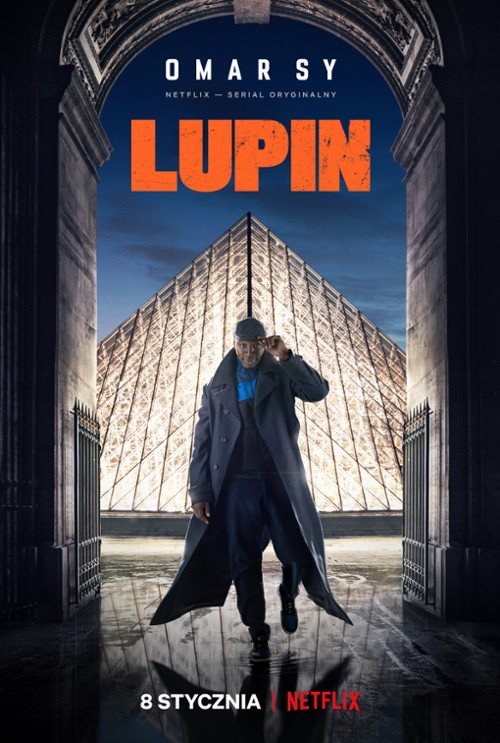
Lupin — sound for the Netflix series
Lupin is one of Netflix’s most recognisable French series — an elegant thriller about a gentleman burglar, starring Omar Sy, loosely inspired by the classic tales of Arsène Lupin. The production became a global hit for the platform and a fine example of how sound builds the class, pace and tension of a series set against the backdrop of Paris.
Awards and recognition: Lupin, starring Omar Sy, is a global hit that won the Critics’ Choice Award for Best Foreign Language Series (2024). Its most notable nominations include a Golden Globe nomination for Omar Sy (best actor in a drama series) and an International Emmy nomination for the series in the best drama series category. This is the level of production at which every element of the craft — sound and post-production included — has to hold the highest, festival-grade class.
The role of sound and post-production
Sound post-production for a premium-class series is a craft governed by different rules from those of a single film. What matters is consistency across the whole season and an efficient, repeatable pace of work episode after episode — while maintaining the quality expected by the audience of a global platform.
The first pillar is dialogue editing. In a series built on intrigue and the charisma of its lead, the dialogue must be crystal-clear and present, regardless of the conditions in which the footage was shot. The sound editor orders the tracks, removes noise and inconsistencies between shots, records the missing breaths and makes sure the lines sound natural even once mixed with music and effects.
The second pillar is sound design of space. Paris in Lupin is a character — its streets, museums, stations, interiors. Every location needs a credible background: city ambiences, reverbs matching the architecture, details that build the geography of the scene without a single word of dialogue. To this are added the effects of tension in the heist and chase scenes, where the sound leads the rhythm of the action.
The third pillar is the mix for the platform. The series must sound equally good in home cinema, on a laptop and in headphones, meet Netflix’s technical requirements for levels and multichannel format, and also be prepared for dubbing into many languages — which means a clean separation of the dialogue layer from the effects and music. It is work in which technical precision is as important as artistic sensibility.
The All In Sound approach
Lupin enters our portfolio through the experience of Olga Pasternak — a sound engineer and co-founder of All In Sound. On this series Olga worked as an ADR editor: she was responsible for editing and recording the post-sync dialogue (ADR), as part of a larger sound post-production team (IMDb ). It is this craft of dialogue, honed on productions for global platforms, that we bring to the studio’s work today. Working between Paris, Warsaw and London — in Polish, English and French language versions — is our natural space. We write more about the team on the about us page.
In the area of dialogue and sound design we draw on this ADR craft: keeping the dialogue track clean, recording post-sync lines where the production sound falls short, and preparing the dialogue layer so it can be cleanly separated from effects and music for dubbing into many languages. In our 5.1 editing room we work at a standardised monitoring level and on a secure fibre-optic network — which, with material under a major platform’s embargo, is not an insignificant detail.
The secret of good series sound is invisibility: the viewer is meant to feel the tension and believe in the world, without noticing the sound work itself. When the dialogue is clean, the space credible and the mix leads the emotion episode after episode — the sound has done its job.
Planning a series, a film or an episodic production and looking for a studio to handle the sound to the platform’s requirements? See our projects and write to us .
Frequently asked questions
How does sound for a series differ from sound for a film?
A series demands repeatability and pace: a consistent sound across the whole season, efficient dialogue editing episode after episode, and compliance with the platform’s technical requirements. On top of that comes schedule pressure that a single film does not have.
What are Netflix's requirements for sound?
Platforms define delivery parameters — loudness levels, multichannel format and dubbing into many languages. The sound must sound consistent from home cinema, through a laptop, to headphones.
What was the role of Olga from All In Sound on the series Lupin?
On Lupin, Olga Pasternak worked as an ADR editor — she was responsible for editing and recording the post-sync dialogue (ADR) as part of a larger sound post-production team. It is experience from her career that we bring to All In Sound today; the studio itself did not handle the entire sound post-production of the series.