

Mix vs mastering — the differences
In short: The mix is the balancing of all the sound layers — dialogue, music and effects — into one coherent whole, while mastering is the final processing of a finished mix for broadcast and loudness standards. First the mix, then mastering: two different, consecutive stages, both needed. Mastering does not replace a good mix — it refines it and prepares it for publication.
The terms “mix” and “mastering” are often used interchangeably, though they mean two different processes. Understanding the difference helps you plan a production’s budget and schedule better, and talk to a studio consciously. We explain exactly what happens at each stage and why both are needed.
The mix — what is it?
The mix (mixing) is the process of combining all the separate sound layers into one coherent whole. In film these are dialogue, music and effects; in a piece of music — the individual instruments and vocals. At this stage we decide on:
- levels — what is louder, what is quieter,
- space — where a given sound comes from (panning, depth, 5.1 format),
- timbre — the tonal correction and character of each layer,
- dynamics — compression and the control of loudness differences.
The goal of the mix is clarity and emotion: the dialogue must be intelligible, the music must not drown it out, and the effects should support the action. It is the most creative and labour-intensive stage, described in more detail in our mix and mastering service.
Mastering — what is it?
Mastering is the final processing of finished, mixed material. It no longer works on separate layers, but on one balanced mix. Its tasks are:
- compliance with loudness standards — the correct level for cinema, TV, radio and online platforms,
- consistency — evening out the sound between scenes or tracks,
- final tonal polish — subtle correction and control of the overall dynamics,
- preparing the files — export in the formats required by a given platform.
Mastering is the stage that makes material sound equally good in the cinema, on a television and in phone headphones, and meets the broadcaster’s technical requirements.
Mix vs mastering — the key differences
| Aspect | Mix | Mastering |
|---|---|---|
| What it works on | Separate layers (dialogue, music, effects) | A finished, balanced mix |
| Goal | Balance and clarity | Finalization and standards compliance |
| Order | First | Second |
| Result | Coherent sound of the layers | Material ready for publication |
Order matters
Always the mix first, then mastering. Mastering will not fix mixing mistakes — if the dialogue is lost in the music or the effects are too loud, you have to go back to the mix. That is why a solid mix is the foundation, and mastering gives it a final, professional character. Both stages are part of a broader process that we describe in the article on what sound post-production is .
Mix vs mastering in film and in music
Although the principle is the same, both stages look slightly different depending on the material. In film production the mix is mainly about keeping the dialogue always intelligible, the music building emotion and the effects not overwhelming the scene — often in the surround 5.1 format. Mastering here watches over compliance with loudness standards for cinema and television, for example broadcast standards for broadcasters.
In music the mix focuses on balancing the instruments and vocals and on building depth and width of sound. Mastering evens out the individual tracks on an album or an EP, so they form a coherent whole and sound good on streaming platforms. In both cases the logic remains identical: first balance, then finalization.
Why is it worth separating these stages?
Separating the mix and mastering gives a fresh ear and objectivity. After many hours working on a mix it is easy to stop hearing small imperfections. Mastering — even done by the same team, but as a separate stage and with fresh ears — lets you look at the material as a whole and catch what slips through the thicket of individual layers. It is also a moment of technical control: checking loudness, formats and compliance with the requirements of the target platform.
How we handle the mix and mastering
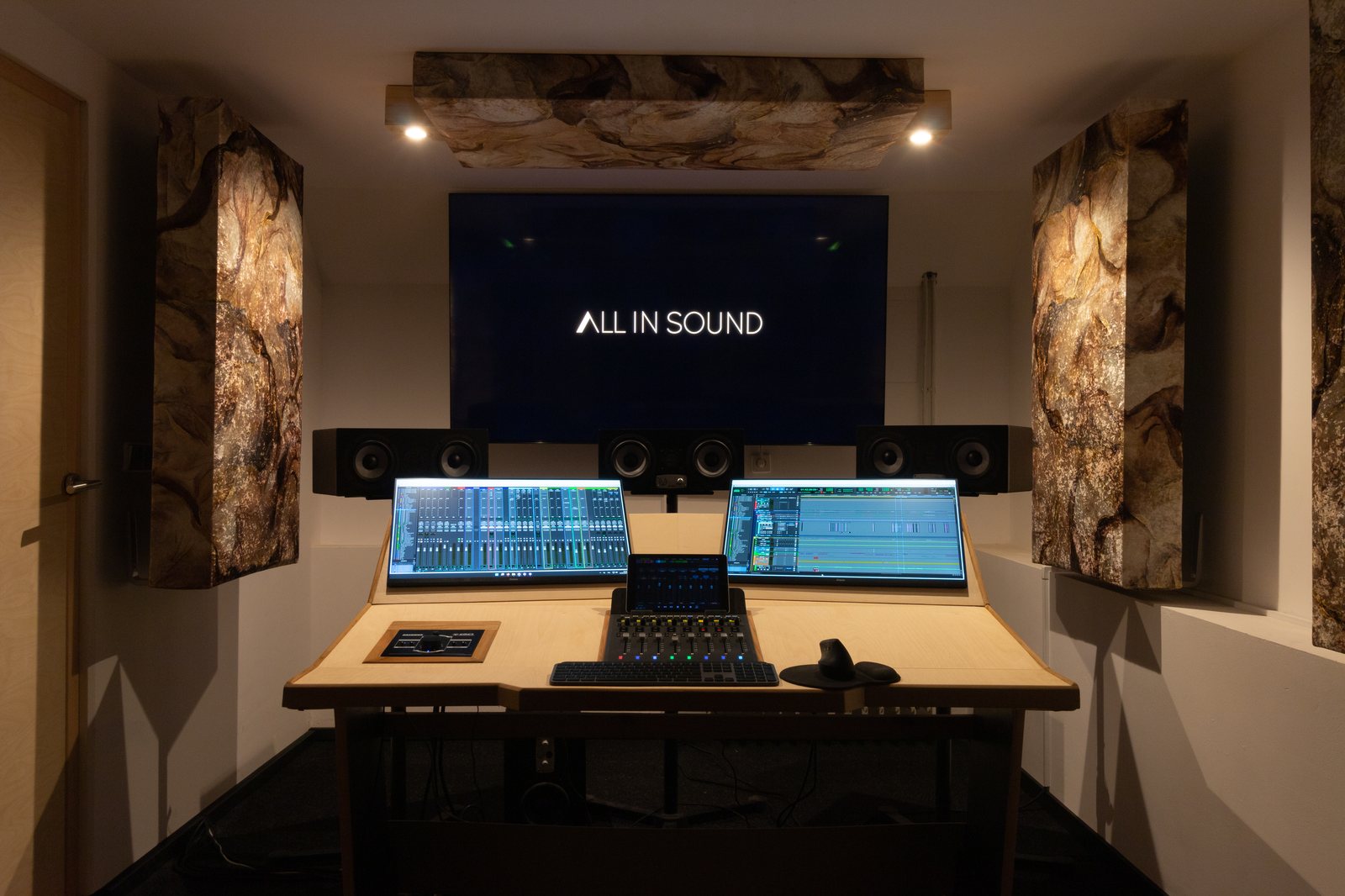
At All In Sound we work in a 5.1 studio with controlled acoustics, on Eve Audio and Genelec monitors, an Avid S1 console and in Pro Tools Ultimate. Yohan Boisgontier is responsible for the mix and music production. We handle mix and mastering in stereo and 5.1 — for film, advertising, animation, podcasts and music, in line with broadcast standards.
How much does it cost?
The cost depends on the length and format of the material (stereo or 5.1) and the number of revisions. Prices are approximate — we quote individually after reviewing the material. We write more about costs in the article on how much sound design and a film mix cost .
Summary
The mix and mastering are two different, consecutive stages. The mix builds the balance between the sound layers, while mastering finalizes the material and adapts it to broadcast requirements. Both are needed for a project to sound professional on every platform.
Have material to refine? Check out the mix and mastering service or get in touch for a quote.
Frequently asked questions
How does the mix differ from mastering?
The mix is the balancing of all the sound layers — dialogue, music and effects — into one coherent whole. Mastering is the final processing of a finished mix for its target broadcast and compliance with loudness standards. The mix creates the balance, mastering finalizes it and prepares it for publication.
Which comes first — the mix or mastering?
First the mix, then mastering. You cannot master material that has not been mixed first. Mastering works on a finished, balanced mix and will not fix mistakes made at the mixing stage.
Do I need both a mix and mastering?
In most professional projects, yes. The mix decides how the individual elements sound together, while mastering ensures the material sounds good and meets loudness standards on every platform — in the cinema, on TV, radio and online.
Will mastering fix a bad mix?
No. Mastering refines and finalizes a good mix, but it will not fix problems with balance, dialogue loudness or the proportions of the layers. That is why it is crucial that a solid mix comes first.
Can the same person do both the mix and mastering?
Yes. In many studios, including All In Sound, the same team handles both the mix and mastering. What matters is that mastering is a separate stage done with fresh ears — this lets you look at the material as a whole and catch what slips by during mixing.
How long do the mix and mastering take?
It depends on the length and complexity of the material and the number of revisions. A short advertisement is usually a few days’ work, while a feature film takes weeks. Mastering a finished mix on its own is much faster than the mixing stage.