Audio restoration and repair — Warsaw
Audio restoration in Warsaw — removing noise, clicks, hum and echo. Restoring recordings, tapes and dialogue, and recovering clear speech from under noise.
Do noise, crackle, hum or echo ruin a recording that can no longer be repeated? We specialise in audio restoration in Warsaw — using iZotope RX-class restoration tools and working on controlled monitoring, we restore the soundtrack to its original quality, and often improve it. All In Sound is an audio post-production studio in Żoliborz, where we clean up production dialogue, rescue archival tapes and tidy up speech recordings before further work.
Restoring recordings is precise and honest work in equal measure. Modern software can do far more today than it could just a few years ago, but its effectiveness always depends on what was actually captured. That is why, before we promise anything, we ask for a sample and listen to it on faithful, standardised monitoring — only then do we know how much can be recovered.
We deliver audio restoration as a standalone service or as the first stage of audio post-production — the cleaned-up material then goes into the mix already free of the parasitic sounds that were previously dragging it down.
What problems we fix
The material that comes in for restoration varies enormously, but the problems usually recur. Among others, we remove:
- noise — the constant background hiss, transducer and tape noise;
- mains hum — the 50 Hz buzz and its harmonics from improper grounding or power;
- crackle and pops — isolated disturbances, vinyl crackle, plosive “p” and “b” in speech;
- hiss — excessive “s” and “sh” (sibilants) and high-frequency noise;
- excessive reverb and echo — sound recorded in a “boxy”, untreated room;
- distortion and clipping — overdriven, “crunchy” passages from too high an input level;
- wow & flutter and speed fluctuations — pitch variations from worn tapes and mechanisms;
- background hums — buzzing from equipment, ventilation, air conditioning or a computer;
- speech from under noise — recovering an intelligible voice from a noisy, difficult recording.
If a given problem can be removed without harming the naturalness of the voice or music, we remove it. If the reduction starts to spoil the sound, we say so plainly and look for a sensible compromise.
For which materials
We carry out restoration for recordings of widely varying origin and purpose:
- production film dialogue — cleaning up lines recorded in difficult shooting conditions;
- archival recordings and old tapes — rescuing material from cassettes, reels and other analogue media;
- podcasts and interviews — removing noise, hum and reverb from conversations;
- voice-over recordings — tidying up the voice track before editing and broadcast;
- analogue digitisation — processing sound transferred from physical media into files;
- phone and dictaphone recordings — improving speech intelligibility from simple recorders.
We combine restoration with the other stages — once cleaned up, the material moves into voice recording , sound design or the mix in a state that does not get in the way of further work.
What the process looks like
We run every project along a proven path, tailored to the state of the material:
- Analysis and sample — we listen to the recording, identify the type and severity of the disturbances and assess how much can realistically be recovered.
- Choosing restoration tools — for each problem we select the right processes in iZotope RX-class tools, rather than applying one aggressive “de-noiser” to everything.
- Multi-stage clean-up — we remove disturbances gradually, layer by layer, so that at every stage we keep control over how the processing affects the sound itself.
- Restoring naturalness and tone — we rebuild the sound where clean-up has flattened it, making sure the voice and music stay alive.
- Monitoring check — we compare the result with the original on controlled, standardised monitoring, catching artefacts that are inaudible on ordinary equipment.
- Delivery — we hand over the cleaned-up material in the agreed format, ready for the mix, editing or publication.
The limits of what is possible
Restoration is not magic, and honesty matters here more than promises. We recover well the sound that is present in the recording but buried under a disturbance — noise, hum, reverb or crackle can largely be separated from the actual content. It is far harder where information is simply missing: an extremely clipped passage, a cut-off syllable, a voice drowned out by a louder sound of the same tone, or a recording so noisy that the speech disappears into the background.
In such cases we can usually improve intelligibility and listening comfort, but we will not recreate data that is not there — and we will say so plainly before we start work. This is exactly why we ask for a sample for assessment: a few dozen seconds of the original file let us realistically judge what is achievable and avoid disappointment on both sides.
Our setup
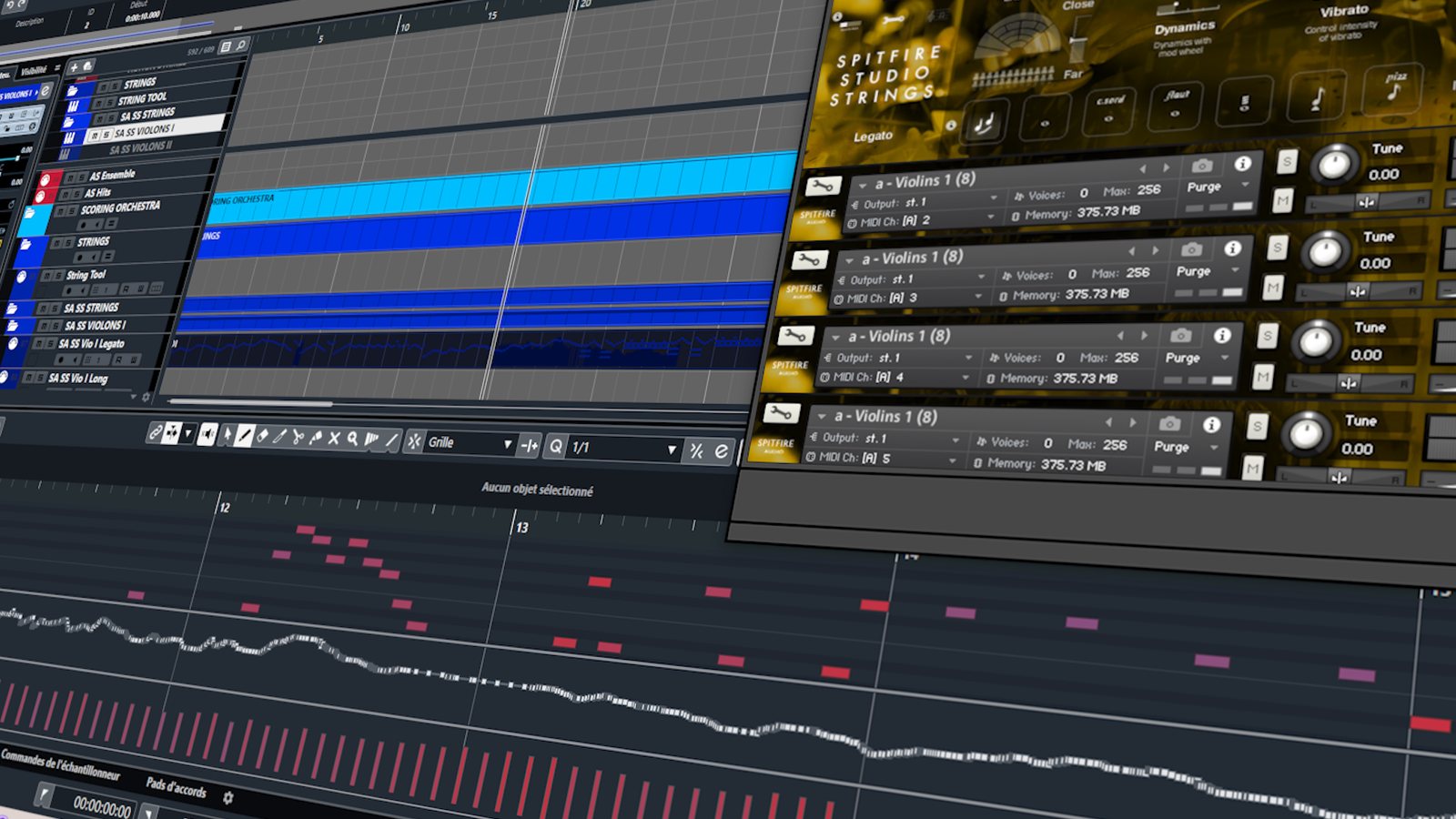
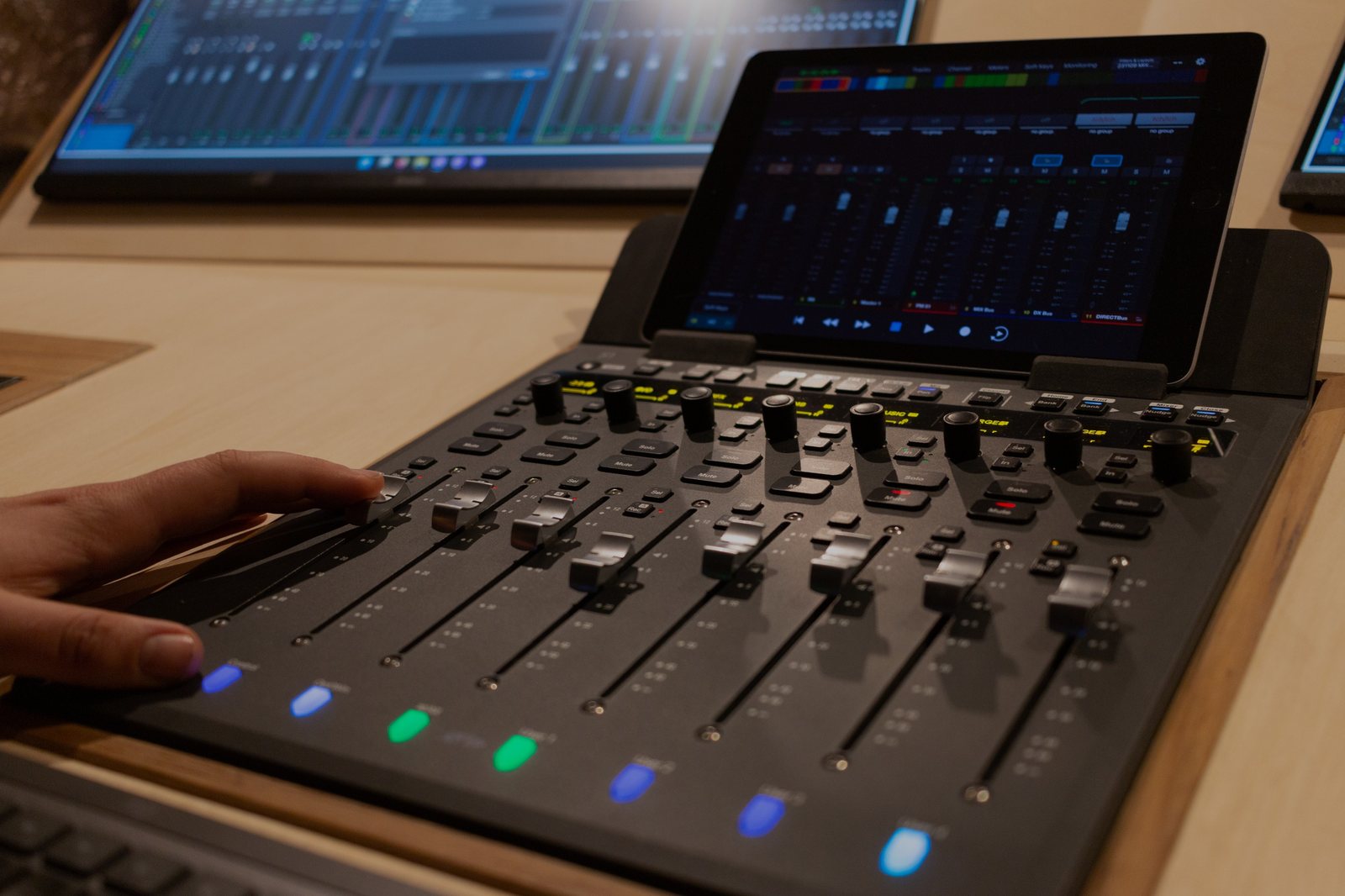
We carry out restoration on iZotope RX-class restoration tools — the industry post-production standard, which gives precise control over every kind of disturbance. We run sessions in Pro Tools Ultimate, and verify the result on controlled monitoring with Eve Audio monitors in an acoustically treated control room. This combination matters: only faithful, standardised monitoring lets you hear the subtle clean-up artefacts that on weaker equipment would go unnoticed and come back on broadcast.
The result is material prepared for further work — clean, consistent and ready to move seamlessly into the mix or publication. How best to prepare a recording before it reaches the studio is something we describe in our guide on preparing for audio post-production .
Order audio restoration in Warsaw
Do you have a recording spoiled by noise, crackle, hum or echo? Get in touch and send us a short sample — after listening we will assess the restoration options and prepare a quote. We combine audio restoration with the mix , voice recording and sound design as part of comprehensive post-production — you will find the full offer on the services page.
Equipment
- iZotope RX-class restoration tools
- Pro Tools Ultimate — restoration and clean-up session
- Controlled monitoring — Eve Audio monitors
- Acoustically treated control room, standardised monitoring
- Assessment and quote after you send a sample of the material
Frequently asked questions
What recording problems can you fix?
Noise, mains hum, crackle and pops, hiss, excessive reverb and echo, distortion and clipping, wow & flutter and speed fluctuations, background hums and parasitic sounds. We also help pull speech out from under noise. If a problem can be removed without harming the sound, we will remove it and restore the recording to full quality.
Can you recover sound from an old or damaged recording?
In many cases, yes. We restore archival recordings, old tapes and digitised analogue material — iZotope RX-class restoration tools let us bring a track back to its original quality, and often improve on it. We do not promise miracles, though: if the data is simply missing from the recording, there is no way to recreate it. Send us a sample and we will honestly assess how much can be recovered.
Can you remove noise or echo from a speech recording?
Yes, this is one of our most common jobs. We remove background noise, mains hum and excessive reverb from dialogue, interviews, podcasts and voice-over recordings, making sure the voice stays natural and intelligible. How far echo can be reduced depends on the acoustics of the room where the recording was made — we will assess that on a sample.
Can you help with sound recorded on a phone or dictaphone?
Yes. We regularly clean up recordings from phones, dictaphones and simple recorders — removing noise, evening out the level and improving speech intelligibility. The result depends on the quality of the source, but in most cases the material can be noticeably improved.
How much does audio restoration cost?
The price depends on the length of the recording, the type and severity of the problems and the result you expect. We do not use a fixed price list — send us a sample and, after listening, we will assess the options and prepare a quote.
How long does restoring a recording take?
A short piece of speech can be cleaned up in one or two working days, while longer or difficult material (archival recordings, heavily noisy tapes) takes more time. We give a realistic timeframe after assessing the sample and learning your own deadline.
What should I send for assessment?
Ideally a short, representative sample (a few dozen seconds) in the original, uncompressed file — exactly as you have it. Tell us what bothers you and what the material is for. On that basis we will assess the restoration options and quote the work.